

Featured
One Kano Agenda Calls for Collective Action, Commends Government Efforts

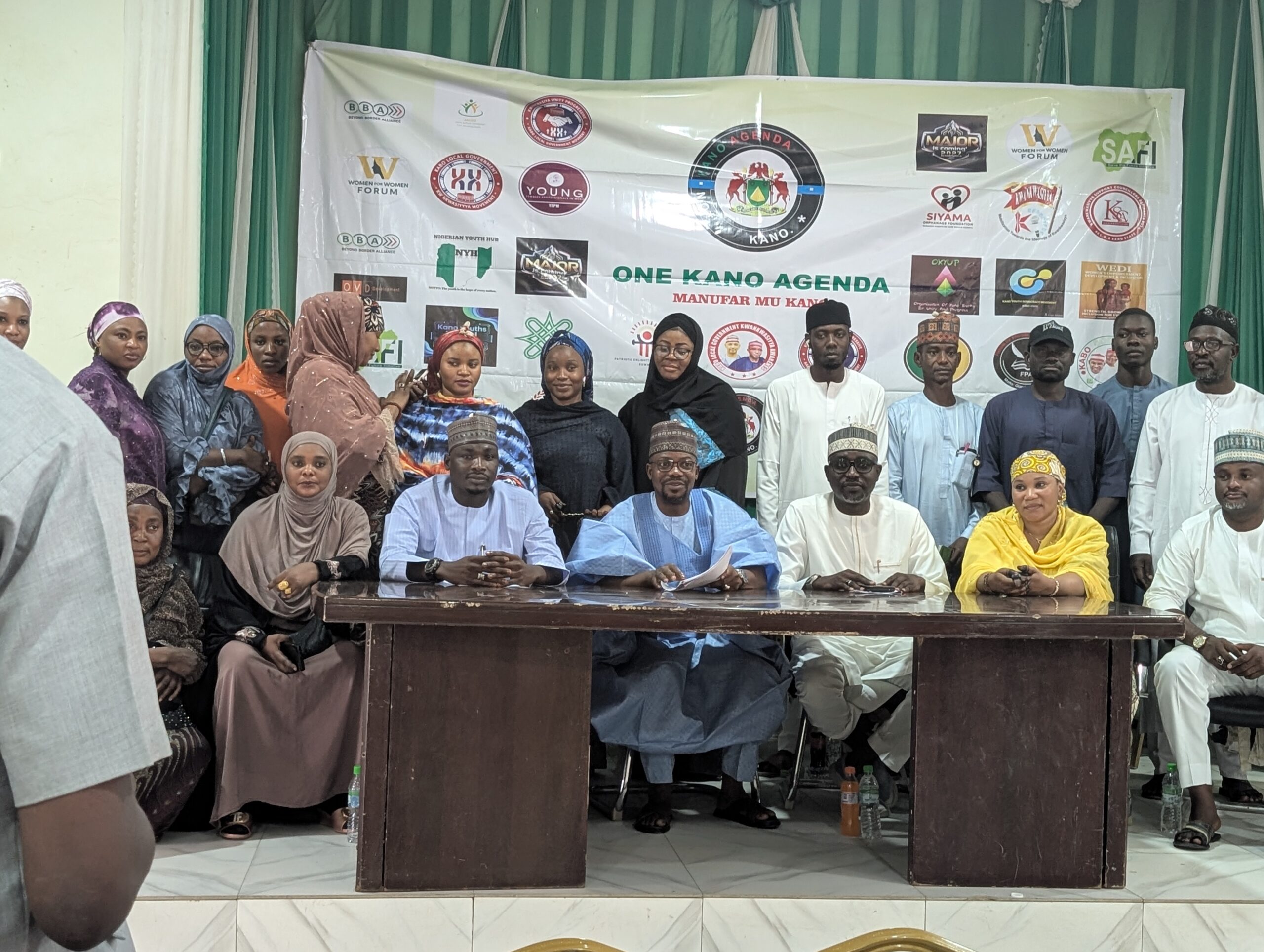
The Chairman of the One Kano Agenda group Abbas Abdullahi, said that a coalition of more than forty organizations has united with one purpose: to rescue Kano State from the situation some mischief-makers are trying to push it into, by spreading fabricated, biased stories and creating fear in the minds of people in Kano and its neighboring communities.
Alhaji Abbas said the current situation in the state requires community-rescue organizations, and therefore they do not support any attempt to provoke unrest.
He called on residents across the entire state—within the metropolis, surrounding areas, rural communities, and especially in places where the problems started, such as the local governments of Shanono and Tsanyawa—to act to prevent the crisis from spreading to neighboring areas such as Bagwai and Rimin Gado.
He also urged increased vigilance in border communities to bring an end to security challenges and ensure lasting peace.
Abbas Abdullahi stated that given the measures taken by the Kano State Government, the organizations under the One Kano Agenda coalition support the government—particularly the ban on renting (commercial use) of two-wheeled motorcycles, and reinforcing the restrictions on the operation of three-wheeled tricycles (Adaidaita Sahu) under the previous regulation that limits their movement after 10 p.m. across Kano State.
The chairman of “One Kano Agenda” added that they appreciate the efforts of the Kano State Governor, Alhaji Abba Kabir Yusuf, in striving to ensure peace in the state. He appealed on behalf of the One Kano Agenda for greater collaboration with all stakeholders in security—from the ward level to local governments and across the state—to resist anyone attempting to disrupt peace.
Chairman Abbas Abdullahi also explained that they plan to conduct enlightenment walks across the state to educate the public on Kano as a source of pride for every responsible indigene. He stressed that no well-meaning person would want insecurity to take root in the state, and emphasized that prayer remains the first step in addressing such




Blowing One’s Own Trumpet : 43 Years Since My Journey Through Triumph

Dangote Coal Disburses 2026/2027 Scholarships, Offsets Annual Surface Rent

Gov. Buni @59: Yobe SSG Backs 590,000-Vote Target for Tinubu, Commends Governnor’s Achievements

Governor Buni condoles with president of Niger republic over death of his father

A Call For Muhuyi, The House, And The Governor To Finish The Law Together

Kano’s War On Drugs: How Barr. Muhyi’s Taskforce Is Changing The Game

INEC ta sanya ranar bayyana makomar Pantami, Gwarzo da Adebutu

IAR Releases Short-Statured Sorghum Varieties for Farmers in Insecurity-Affected Areas of Nigeria

Da ɗumi ɗumi : Ƴar Kwankwaso ta buƙaci Kotu ta raba auren su da Abba Gida-gida
